
Smart Seating Design
How Modern Stadium Seats Improve Fan Experience and Operational Efficiency
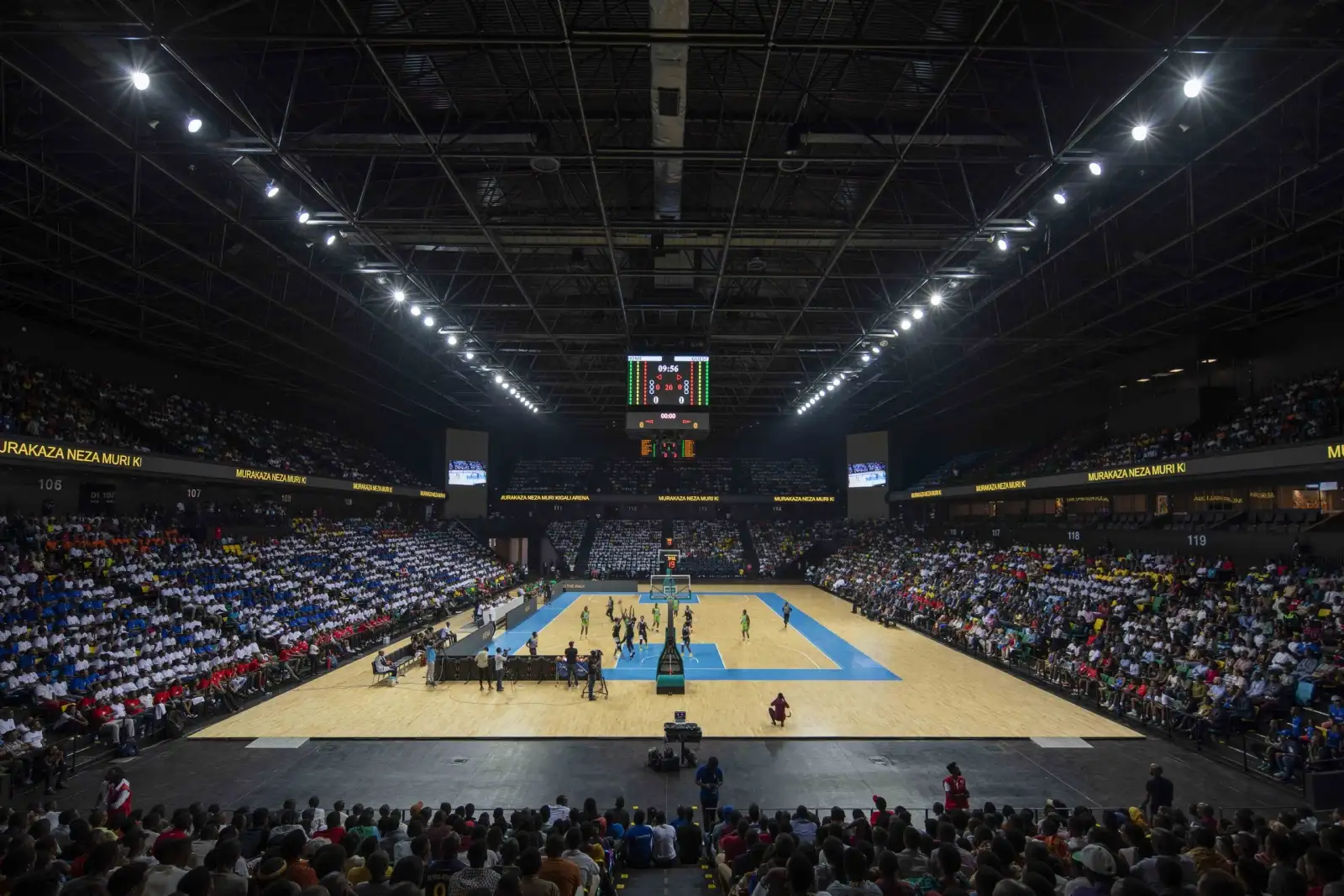
Stadium design has entered a new era where spectator expectations, safety regulations, and operational efficiency must all work together. In this transformation, stadium seats are no longer just functional elements. They have become a key component in shaping the overall experience of a venue.
Across Turkey and Europe, modern stadium projects are increasingly focused on delivering comfort, optimizing space, and ensuring long-term durability. Choosing the right seating system plays a central role in achieving these goals.
The Evolution of Stadium Seating
Traditional stadium seating was designed with a single objective: maximizing capacity. Today, this approach has shifted dramatically. Stadium operators now understand that comfort and organization directly influence visitor satisfaction and revenue generation.
Modern stadium seating solutions are designed to:
- Improve visibility and ergonomics
- Enhance crowd flow and safety
- Support branding and visual identity
- Reduce maintenance and lifecycle costs
This evolution has led to the development of more advanced seating systems tailored to different sections within the same venue.
Enhancing Spectator Experience
Ergonomics and Comfort
Comfort is one of the most critical factors influencing spectator experience. Long matches or events require seating that supports the body properly and minimizes fatigue.
Modern stadium seats are designed with:
- Optimized backrest angles
- Adequate seat depth
- Improved material flexibility
Even small improvements in ergonomics can significantly increase overall satisfaction.
Clear Sightlines and Layout Planning
Seating layout plays a major role in how spectators experience an event. Proper row spacing and seat alignment ensure unobstructed views.
Careful planning allows:
- Better visibility for every seat
- Balanced distribution of capacity
- Efficient use of available space
Aesthetic and Branding Opportunities
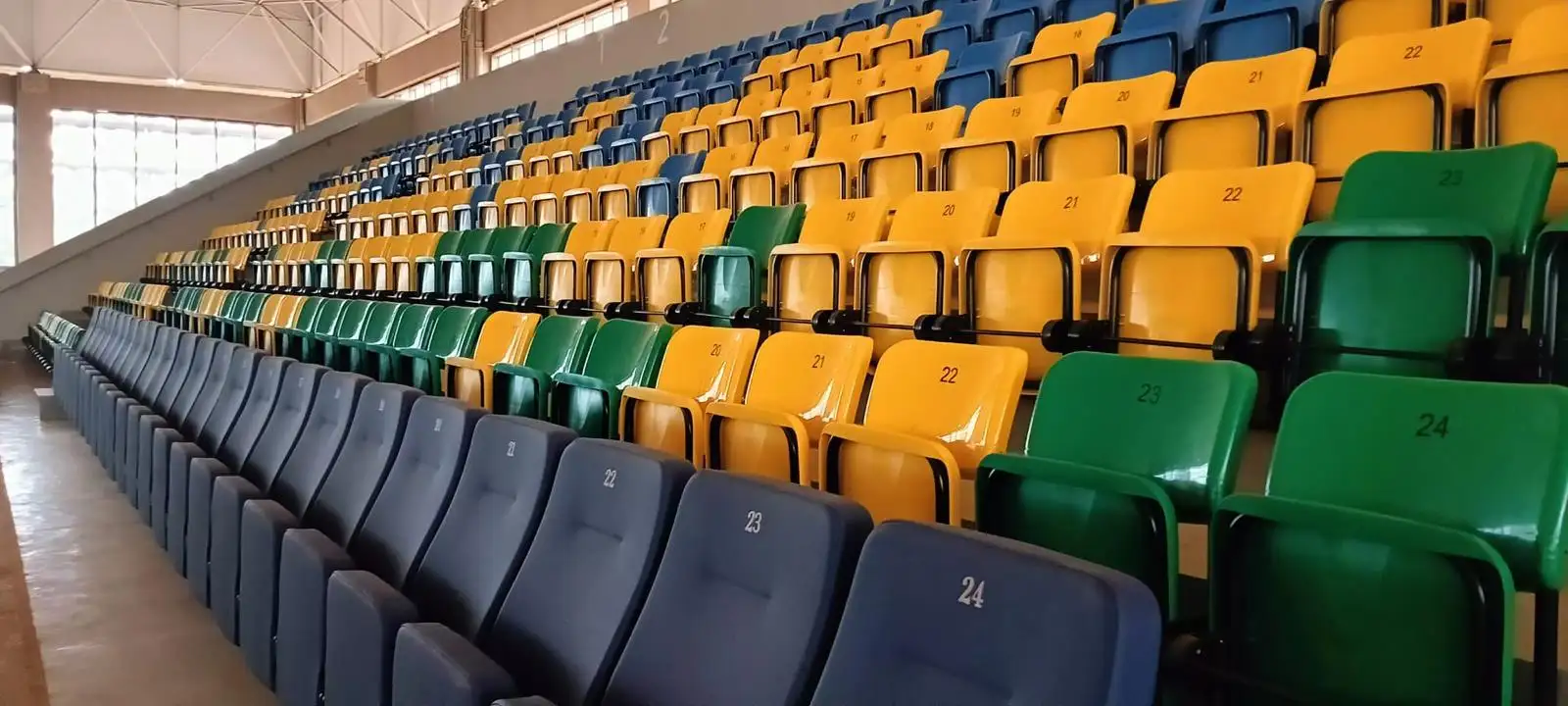
Stadium seats also contribute to the visual identity of a venue. Color combinations, seat numbering, and branding elements can create a strong and recognizable atmosphere.
In many modern projects, seating design is aligned with team colors or sponsor branding, enhancing both aesthetics and commercial value.
Improving Operational Efficiency
Space Optimization
Foldable seating systems allow better use of space by automatically returning to a closed position when not in use. This improves circulation and safety within the venue.
Efficient space usage leads to:
- Easier crowd movement
- Reduced congestion
- Improved safety compliance
Low Maintenance Requirements
High-quality stadium seats are designed for long-term use with minimal maintenance. Materials such as UV-stabilized polypropylene and treated metal components reduce wear and tear.
This results in:
- Lower operational costs
- Reduced need for repairs
- Longer product lifespan
Easy Installation and Replacement
Modern seating systems are designed with modularity in mind. This allows for faster installation and easier replacement of individual components when necessary.
For large-scale stadiums, this flexibility is essential in minimizing downtime during maintenance or upgrades.
Stadium Seating Solutions for Different Sections
General Admission Areas
In high-capacity areas, durability and cost efficiency are the main priorities. Monoblock or simple foldable seats are typically used.
These solutions provide:
- High resistance to heavy usage
- Cost-effective scalability
- Easy maintenance
Premium and VIP Sections
Premium areas require a higher level of comfort and design. Upholstered seating, armrests, and additional accessories enhance the experience.
These sections are often used for:
- Corporate hospitality
- VIP lounges
- Special event seating
Multi-Purpose and Indoor Venues
For venues that host multiple types of events, flexibility is key. Telescopic seating systems allow spaces to be reconfigured quickly.
This increases:
- Venue versatility
- Event diversity
- Revenue potential
Key Considerations for Stadium Projects in Turkey and Europe
Compliance with Standards
Both Turkish and European projects require compliance with safety and durability standards. Seating systems must meet fire resistance, load-bearing, and environmental performance criteria.
Climate Adaptation
Different regions require different material solutions. In hot climates, UV resistance is essential, while in colder regions, resistance to moisture and temperature changes becomes more important.
Project-Specific Customization
Every stadium project is unique. Seating solutions must be adapted to:
- Architectural design
- Capacity requirements
- Audience profile
Customization ensures that the seating system integrates seamlessly into the overall project.
Future Trends in Stadium Seating
Smart Stadium Concepts
With the rise of smart stadiums, seating systems are also evolving. Integration with digital technologies, such as seat numbering systems and access management, is becoming more common.
Sustainability and Eco-Friendly Materials
Sustainability is becoming a priority, especially in European markets. Recyclable materials and environmentally friendly production processes are increasingly preferred.
Increased Focus on Comfort
As competition between venues increases, providing superior comfort is becoming a key differentiator. This trend is expected to continue in both Turkey and international markets.
Conclusion
Modern stadium seats play a crucial role in shaping both the spectator experience and the operational success of a venue. From comfort and safety to efficiency and aesthetics, every detail contributes to the overall performance of the stadium.
By investing in well-designed and properly engineered seating solutions, project owners can create environments that meet modern expectations and deliver long-term value.
For those exploring us, focusing on ergonomics, durability, and project-specific planning will ensure a successful and future-proof investment.